Medicaid + AI: A New Standard for Innovation
Directing the Value of AI to the People Who Need Care Most

A Letter from the CEO: What AI-First Medicaid Care Looks Like
Dr. Toyin Ajayi, Chief Executive Officer, Cityblock Health
For too long, Medicaid has been left behind by technology. Innovation has often started at the top of the market and trickled down years later, if it ever arrives at all. Continued advancements in AI and machine learning in healthcare—particularly large language models and agentic AI—are a chance to change that narrative.
We’re in a moment of both urgency and possibility. This is a generational opportunity to set a new standard for healthcare innovation.
Across the country, care delivery is straining under mounting pressure: policy changes are muddling coverage and eligibility, costs of care are rising, and workforce shortages continue to plague the industry. At the same time, enthusiasm for AI has reached a fever pitch. Every week brings a new breakthrough, a record-breaking valuation, a renewed promise that technology will change everything. Yet very little of that innovation has touched the people and providers who need it most.
As Medicaid programs face shrinking budgets and growing demand, AI offers a way forward.
The secular headwinds we face—economic tightening, administrative complexity, and workforce attrition—are forcing the healthcare system to evolve. They’re also creating the conditions for technology to finally be used in service of scale, quality, and access, rather than efficiency alone.
The content of this report explores what it takes to turn that vision into reality. We outline the principles that should guide AI development, the opportunity AI-driven healthcare applications present in Medicaid, and how Cityblock is using AI, machine learning, and predictive analytics to make our care teams more present, more informed, and more connected to the people we serve.
If we as leaders and innovators can get this right, Medicaid can be the proving ground for effective and responsible AI in healthcare. We can show that the latest and greatest technologies can serve the most vulnerable among us—that the power of AI doesn’t have to accrue with the few. We can build a healthcare system that is made more efficient by being more human and compassionate.
That’s the standard we should set. At Cityblock, it’s the one we strive to meet.

Why AI in Medicaid Now
Medicaid stands at a critical inflection point. State programs are being asked to do more with less: funding is constrained, millions are at risk of losing coverage, and providers are struggling to manage larger, more complex populations than ever before.
Traditional models can’t keep pace with the current environment. Every hour a clinician spends on paperwork is one less with a patient. Missed outreach or delayed follow-up can quickly escalate into otherwise avoidable emergency care. The chasm between medical care, social needs, and operational capacity continues to widen. The system is being pushed to its limits.
Alongside this pressure lies opportunity. As adoption accelerates, AI is transforming healthcare. But that transformation has been uneven. Most investment has focused on administration optimization and revenue capture, not care delivery or member engagement. Medicaid has largely been left out of the conversation altogether.
But it’s within Medicaid that AI can make the most meaningful, material differences in health and engagement.
With agentic AI, the healthcare system no longer has to close at 5 p.m. A member can text for guidance at midnight and schedule a visit. A care coordinator can get real-time alerts on emerging risks and intervene earlier. These tools can remake Medicaid, but they must be developed and designed for its realities. That means systems trained on representative data, grounded in empathy, and guided by the principles of responsible innovation.
In a time of economic pressure and rising care complexity, the promise of AI in Medicaid is sustainability. Generating efficiencies is important, but the real opportunity is in making healthcare more accessible, more responsive, and ultimately, more human.
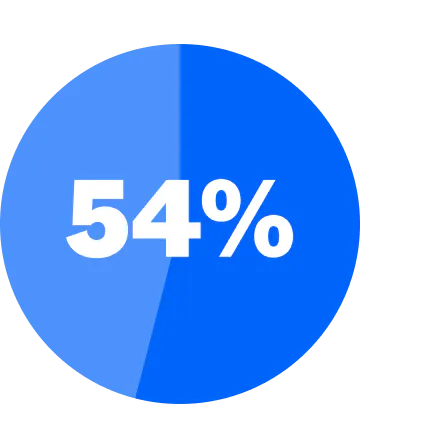
54% of plans prioritized improving risk adjustment

50% of plans prioritized on optimizing networks
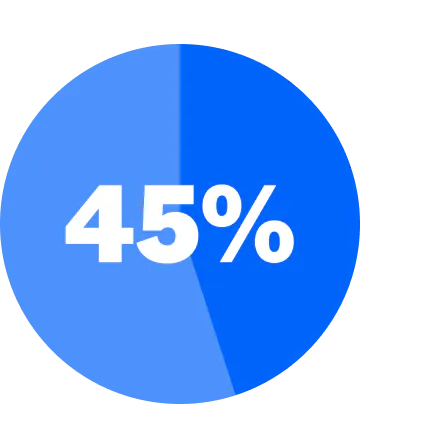
45% of plans prioritized growth or member acquisition
Six Principles for Deploying AI in Medicaid
Building AI that works in Medicaid is hard. The stakes are high, the data is fragmented and deeply contextual, and the margin for error is slim. But the potential impact is enormous.
The healthcare industry has poured extraordinary time, energy, and capital into automating the “easiest” parts of care, i.e. the administrative and financial back-end. Roughly 60% of healthcare AI investment is going toward revenue cycle management, billing optimization, and risk adjustment. These are tools designed to help organizations get paid faster for the work they’ve already done.
It’s a natural starting point, but we can do so much more.
When innovation is concentrated in the revenue cycle, we risk deepening the inflationary spiral that drives up costs without improving outcomes. Risk adjustment, coding automation, and margin expansion will never solve the core problem: how to deliver more care with fewer resources, and build trust with the people who need it most.
Medicaid sits at the center of that challenge and opportunity. Getting this right requires more than powerful algorithms or large datasets. It requires a new framework that puts the people who rely on Medicaid and the care teams who serve them at its center.
At Cityblock, we believe responsible AI in Medicaid must be guided by six principles.
Equity is the objective, not a guiding principle or an afterthought. Any AI tools that the industry builds must start by identifying who the system leaves behind and be designed to reach them. That requires proactive bias testing, representative data, and programmatic approaches that prioritize historically excluded groups.
Trust is earned by easing what hurts now. Start with the problems that are known to cause immediate harm. Quick wins that demonstrably eliminate or reduce pain points will open the floodgates for broader system innovation.
Data without trust is noise. Build systems that preserve and deepen human relationships rather than substituting for them. Privacy, consent, and clear explanations of how data will be used are non-negotiable. Trust must be earned before models act on behalf of clinicians or members.
AI should stitch together fragmented care experiences into continuous and meaningful relationships and desired behaviors. The goal is to make every touchpoint in the care journey reinforce trust, improve engagement, and encourage progress, from the first outreach call to long-term chronic disease management.
Success is measured in changed behavior and improved outcomes, not model accuracy alone. Design AI to nudge, coach, and support sustainable behavior change. Achievable, human-centered interventions stack over time to become previously-unthinkable transformations.
Technology should scale empathy, not substitute for it. AI should handle repetitive tasks and surface insights so human teams can do what machines cannot: listen, analyze, and treat with dignity.
The AI-Enabled Medicaid Member Journey
For decades, healthcare innovation has moved from the top down. Breakthroughs designed for commercially insured populations eventually reach Medicaid years later—if they ever do at all. Advanced AI-driven healthcare applications like agentic systems are an opportunity to reverse that trend.
Agentic AI in Medicaid can initiate workflows, coordinate and schedule care, and communicate directly with members, all while keeping human teams in the loop. For healthcare organizations, that means closing gaps between touchpoints in care, triggering follow-ups in real time, and supporting members around the clock, not just within the traditional hours of operation.
Imagine a care partner in your pocket—a well-informed guide that can help you navigate your care, answer questions about your care plan or medication regimens, and connect you directly to food and housing resources at the moment of need.
But these models are only as good as the data they’re trained on. Cityblock’s advantage lies in our years of experience working side by side with care teams and Medicaid members, and the deep understanding we’ve cultivated of the members we engage with every day.
We know that with the right incentives and the right technology, AI can direct value where it matters most: those who need care.
Below is what that journey looks like when AI is designed to serve Medicaid members.
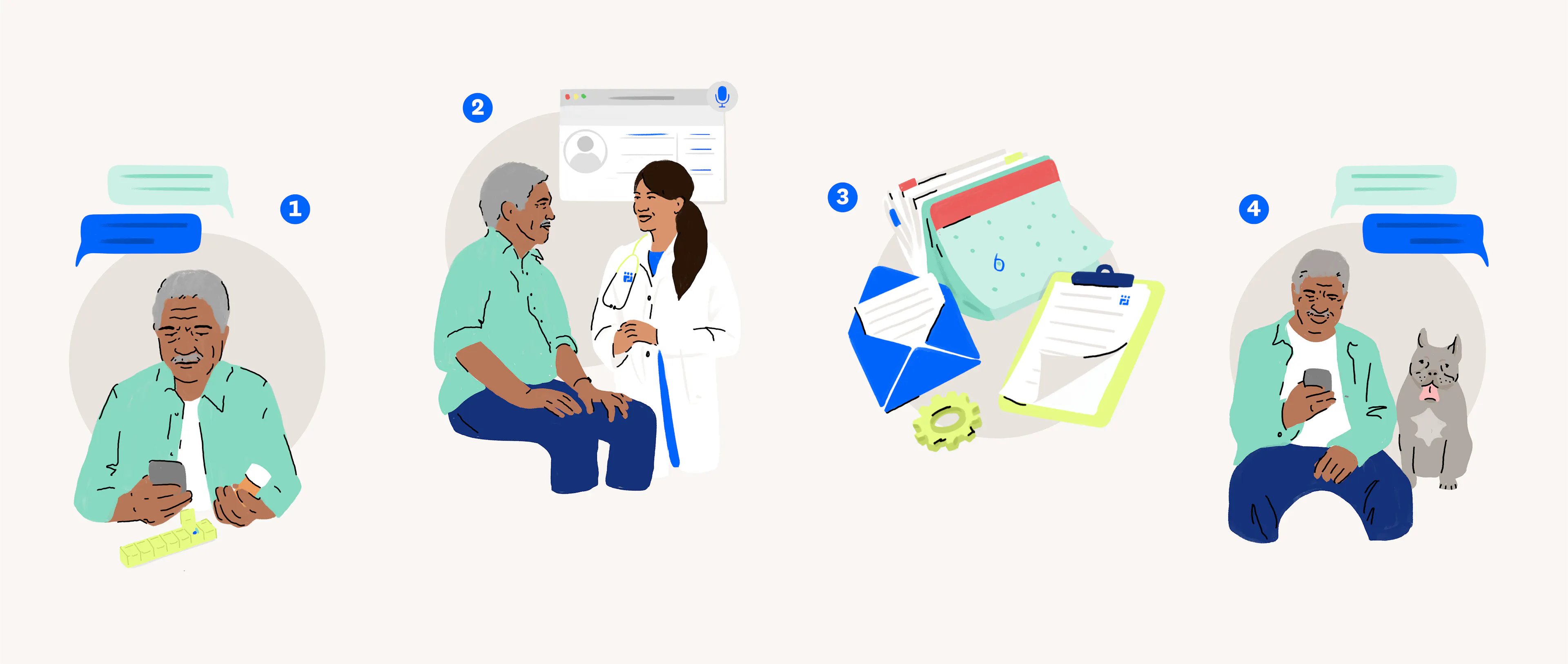
A member is enrolled or discharged, and AI initiates engagement.
- AI voice and messaging agents reach out immediately
- Members speak freely and naturally without judgement or time constraints
- AI detects needs like food access, housing instability, or medication questions
- Conversations are summarized instantly and routed to an outreach specialist
The Result: Faster connection, fewer missed opportunities, and human conversations that start with context.
From Our Care Team: “The texting agent was able to help me make contact with a few people that no one's talked to in a couple months.” —Cityblock registered nurse
AI prepares the room, allowing care teams to focus on the person in front of them.
- Multi-sourced member data is summarized before the interaction
- Automated assessments are completed naturally during the course of care
- With clinical natural language processing (NLP), real-time summaries and clinical documentation happen in real time, not after hours
The Result: Less administrative burden, quicker time to insight, and more space for clinicians to focus completely on problem-solving, and relationship-building.
From Our Care Team: “Did you know [the AI ambient scribe] translates Spanish to English when they generate the note??!! OMG! It was my first time seeing a Spanish speaking patient and using it. It's very accurate, we did a follow-up visit and it captured everything. Honestly this has been so useful for me…I don't have to wake up at 5 am to do notes anymore!” —Cityblock psychiatrist
AI works in parallel with care teams as care unfolds, turning data into action.
- AI-enabled population health management analytics helps teams prioritize outreach to members most likely to engage
- AI-generated care plans surface goals based on what members say matters most to them
- AI medical data analysis and clinical prompts identify gaps in care, such as needed labs or follow-up visits
- Concurrent review supports accurate risk adjustment without extra work
The Result: The right follow up for the right members at the right time, helping teams deliver high-impact care.
From Our Care Team: “I love the quality action suggestions because it helps make sure I don't miss anything important that could help improve their outcomes.”
—Cityblock community health partner
Care doesn’t end when a visit does. Cityblock is building toward a Medicaid where support is continuous, responsive, and designed around real life.
- Always-on agents provide care navigation, answer benefits questions, and initiate next steps
- Proactive nudges help members stay on track with medications, appointments, and preventive care
- Care teams receive timely signals and context, enabling earlier intervention
The Result: AI quietly removes friction from the healthcare experience. Members feel supported without being overwhelmed, care teams stay connected and informed, and healthcare becomes something people can access before they know they need it.
From Our CTO: “We are building towards a future where AI enables accessible, always-on care for vulnerable populations by turning member data into the engine that powers every interaction across a truly multimodal care team––human and agentic. This expands the boundaries of what’s possible, unlocking a step-change in our ability to deliver personalized, high-touch care at scale while improving responsiveness, loop closure, and the member experience without increasing burden on care teams.”
—Alberto Lopez Toledo, Cityblock Chief Technology Officer

Closing Thoughts
We’re living through another technology gold rush.
The AI boom feels eerily similar to the dot-com era; each promising transformation, both generating enormous value for a select few. We have an obligation to chart a different course this time.
AI has the potential to change not only how healthcare is delivered, but to whom it delivers value. Too often, those who stand to benefit most from innovation are the very last to feel its effects. If we allow this moment to unfold like the tech booms before it, we’ll miss a real generational opportunity to transform our healthcare system for the better.
At Cityblock, we’re proving it’s possible to harness best-in-class AI to serve the most vulnerable among us. That begins with centering equity, trust, and human connection in every system we build. These are the very same principles that have guided our work since our founding.
Every technological revolution is a moral-defining moment. Times like these force us to decide who we want to be as a society and what we believe progress should look like. In healthcare, that means asking ourselves: Do we want to use AI to expand profit? Or do we want to use it to measurably improve lives?
I believe we can build a future where AI amplifies clinical compassion, and where the most powerful algorithms are designed to support people living with the greatest need. That’s a tech revolution worth leading.